E-waste recycling is how a business disposes of end-of-life electronics — computers, monitors, servers, phones, printers — in a way that protects data and stays compliant. For Atlanta companies it comes down to three things: destroy the data, use a certified recycler, and keep the paperwork. This guide covers each, plus how to choose a recycler you can trust.
#What counts as e-waste?
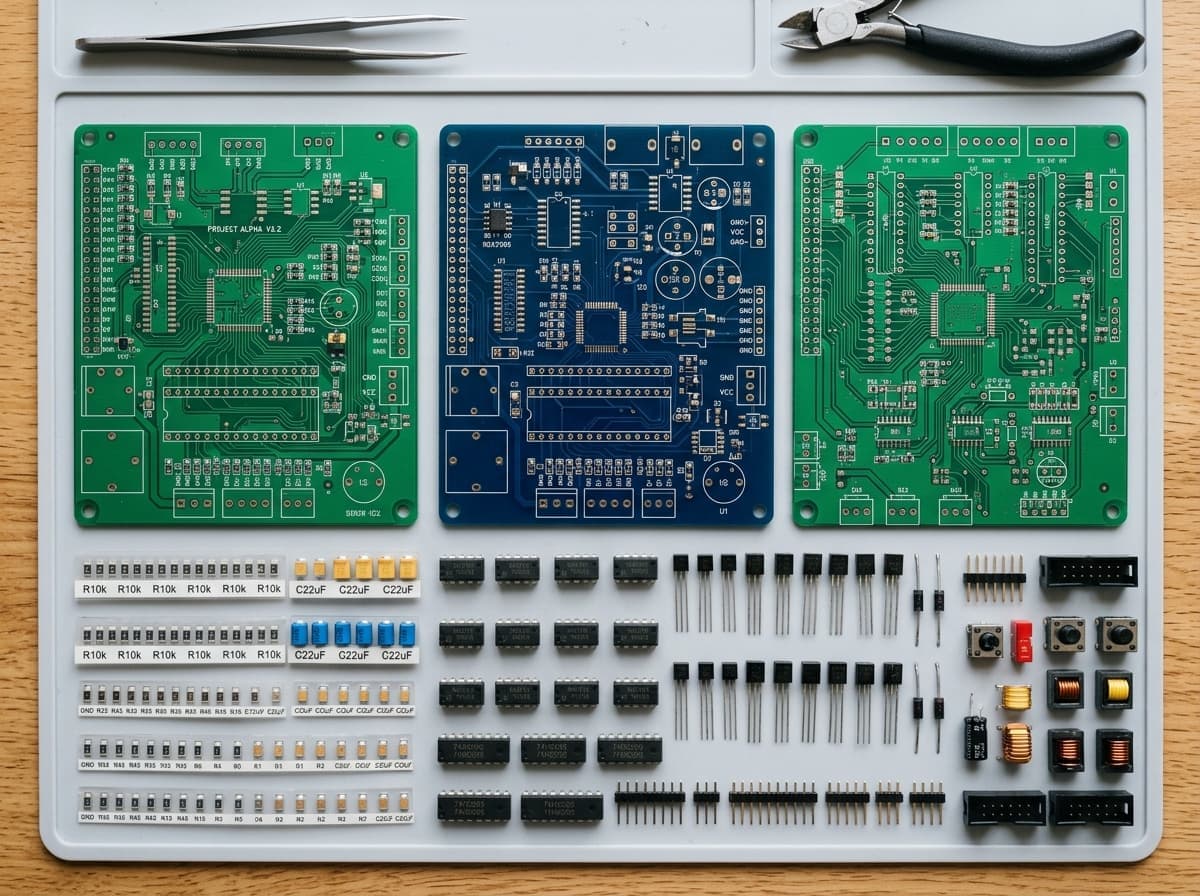
As a rule of thumb, e-waste is any discarded device with a plug, a battery, or a circuit board. For most businesses that means far more than old PCs. Our electronics recycling service handles the full range:
- Desktops, laptops, servers, and networking gear
- Monitors and displays (including older CRTs)
- Printers, copiers, and multifunction devices
- Phones, tablets, and handheld scanners
- UPS units, batteries, and cabling
#Why electronics don't belong in the dumpster
Electronics contain hazardous materials — lead, mercury, cadmium, and flame retardants — that can leach from landfills, which is why several categories are managed as universal or hazardous waste under federal rules. Beyond the environmental and legal exposure, every device that leaves your building uncontrolled is a potential data breach. Both problems point to the same answer: route electronics through a recycler, not the trash.
#The data-security problem most businesses miss
The hardware is replaceable; the data on it is the real liability. Deleting files or running a factory reset usually leaves information recoverable. Proper disposal follows the NIST 800-88 standard — a verified wipe or physical destruction of the drive — and many businesses are legally bound to it under HIPAA and the FACTA Disposal Rule. For the full process, see our data destruction best practices guide; we build it into every electronics pickup.
#What “certified recycling” actually means
Anyone can call themselves a recycler. Certification is what proves your electronics are actually processed responsibly instead of exported or dumped. The two recognized standards are R2 (Responsible Recycling, from SERI) and e-Stewards. A certified partner documents the entire downstream chain, so the liability does not follow your old equipment back to you.
- Downstream accountability — a documented chain of where material goes
- No illegal export of hazardous e-waste to developing countries
- Verified data sanitization built into the process
- Auditable certificates you can hand to compliance or an auditor
#What happens to your electronics
| Stage | What happens | Your record |
|---|---|---|
| Pickup & inventory | Devices collected and logged by asset or serial number | Chain-of-custody manifest |
| Data destruction | Drives wiped to NIST 800-88 or physically shredded | Certificate of data destruction |
| Sortation | Units triaged for secure reuse or material recovery | — |
| Material recovery | Metals, plastics, and glass recovered through certified downstreams | Certificate of recycling |
#How to choose an e-waste recycler in Atlanta
Use a short checklist before you hand over a single device:
- R2 or e-Stewards certification you can verify
- A written data-destruction method (wipe standard or shredding)
- Both certificates provided as standard — recycling and data destruction
- Local, scheduled pickup across metro Atlanta
- A clear answer to "where does my material ultimately go?"
#Georgia e-waste rules in brief
Georgia does not currently impose a statewide e-waste recycling mandate on businesses, but federal rules on CRTs, batteries, and data disposal still apply — and several jurisdictions have their own requirements. For the full regulatory picture, read Georgia's e-waste regulations explained, and for a step-by-step compliance walkthrough see our e-waste disposal & compliance handbook.
#Recycling your electronics, the simple way
You don't need to navigate this alone. Request a pickup or free consultation and we'll collect your electronics across metro Atlanta, destroy the data to standard, and hand you both certificates for your records — all through one certified local partner.