Commercial recycling in Atlanta is no longer optional — it's required, and it's increasingly profitable. But between the regulations, the logistics, and the day-to-day reality of getting 200 employees to sort their trash correctly, building a recycling program that actually works takes more than good intentions. This guide covers everything: the legal requirements, the operational mechanics, the economics, and the human behavior problems that make or break every program we've seen.
We've been running commercial recycling programs across the Atlanta metro area since 2005. The advice in this guide comes from two decades of fieldwork — not from a textbook. Every number is real. Every recommendation has been tested in actual facilities.
#The Legal Landscape
Atlanta's commercial recycling ordinance (Chapter 130 of the city code) requires businesses generating more than 100 pounds per week of recyclable material to participate in a recycling program. The ordinance covers paper, cardboard, plastics #1–#7, glass, and aluminum and steel containers. Penalties for non-compliance can reach $1,000 per violation per day, though enforcement has historically been complaint-driven rather than proactive.
Beyond the Atlanta city limits, Georgia state regulations add additional requirements for specific waste types. E-waste, hazardous materials, medical waste, and certain industrial byproducts all have their own disposal and documentation requirements under the Georgia Comprehensive Solid Waste Management Act and related EPD rules.
#Understanding Your Waste Stream
Before you can build an effective recycling program, you need to understand what you're currently throwing away. A waste audit — a systematic analysis of your facility's waste composition over a representative period — is the foundation of every successful program we've built.
The typical commercial waste audit takes 3–5 business days and involves physical sorting and weighing of a representative sample of your waste stream. The output is a composition report that breaks down your waste by material type and weight, identifies the highest-value recyclable streams, and quantifies your current diversion rate (usually near zero if you don't have an existing program).
#Designing Your Collection System
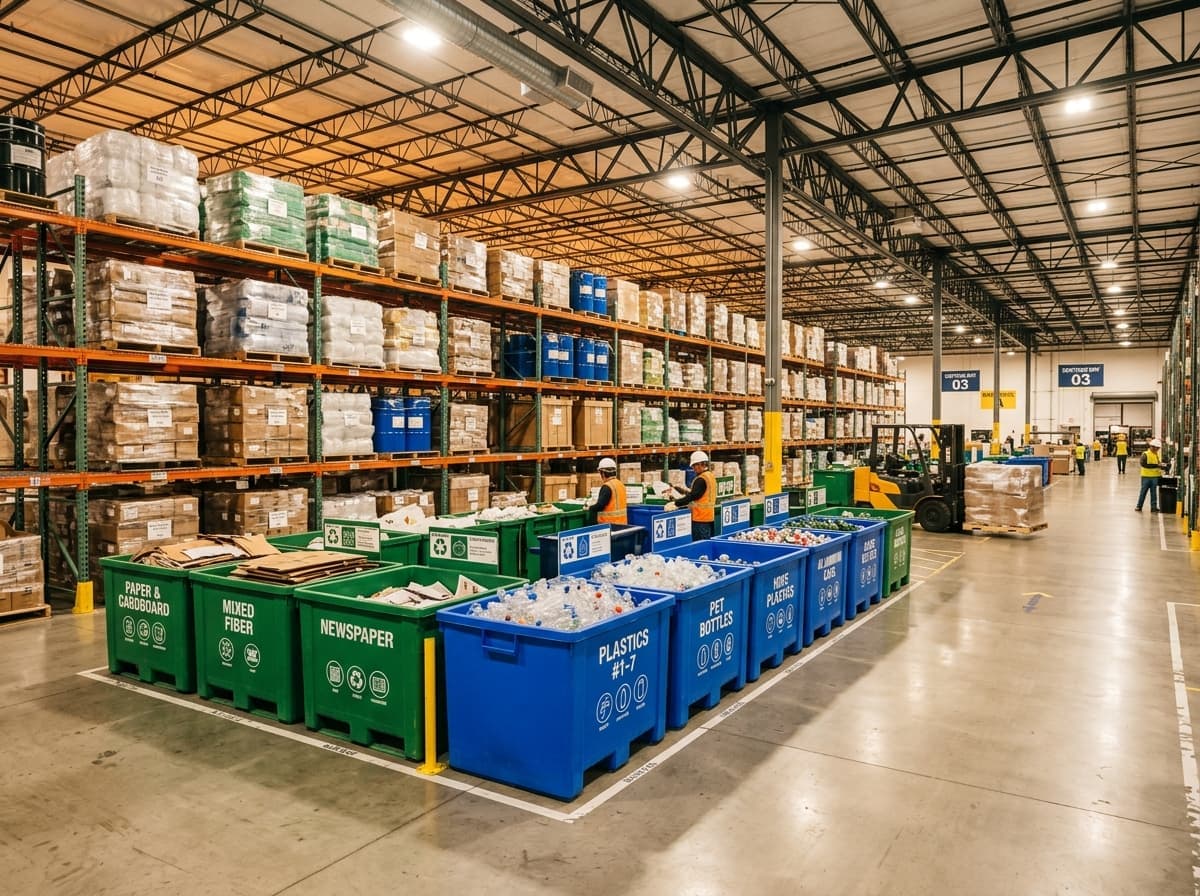
The collection system is where theory meets reality. You need containers in the right places, clear signage, and a pickup schedule that matches your generation rate. Get any of these wrong and contamination will kill your program within months.
Every recycling program we've seen fail had the same root cause: the bins were in the wrong place. Not the wrong labels. Not the wrong training. The wrong place.
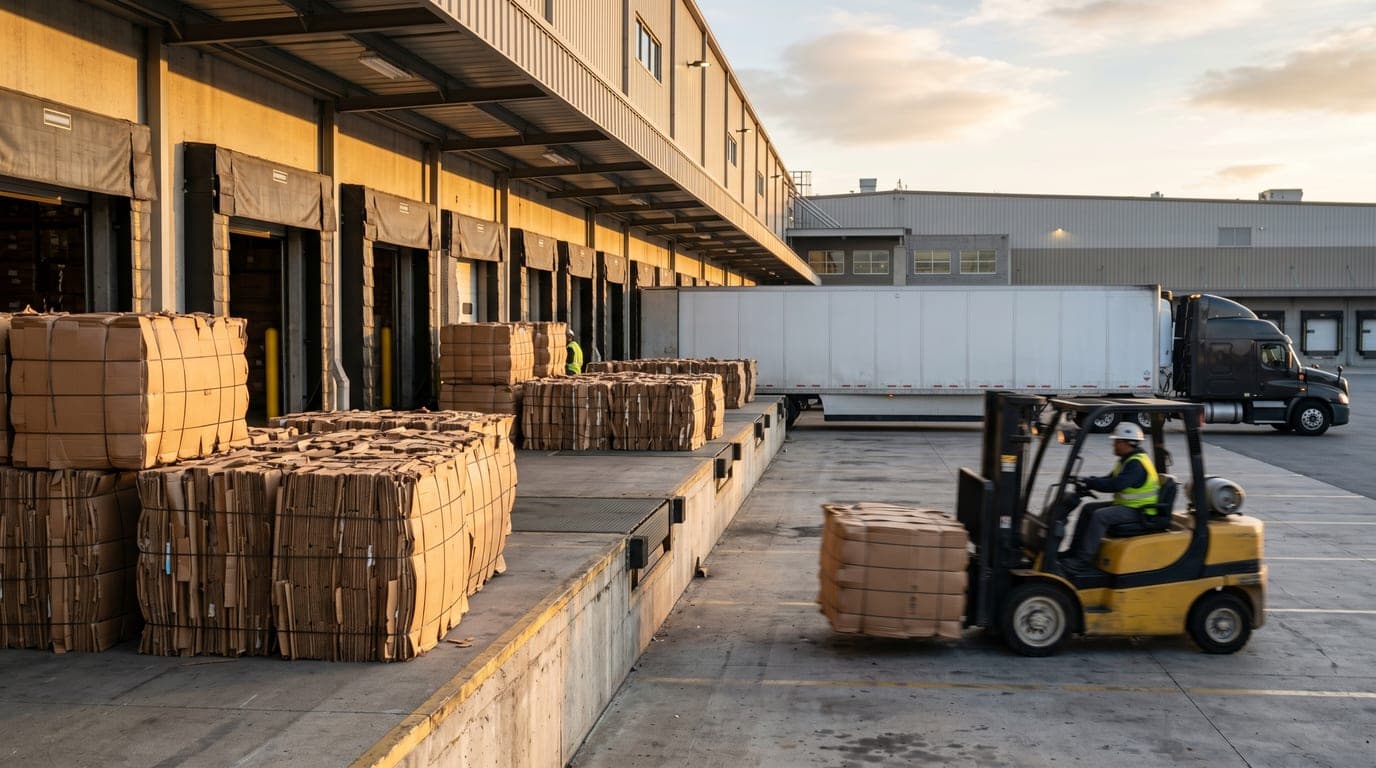
For office environments, we recommend paired recycling and trash bins at every natural disposal point — desk clusters, copy rooms, break rooms, building exits. Manufacturing and warehouse environments need larger-capacity containers (2–8 cubic yard dumpsters or compactors) positioned at material generation points. The key principle is the same everywhere: make recycling more convenient than not recycling.
- Paper and cardboard — dedicated bins at every desk cluster, copy room, and mail room
- Commingled containers (plastic, glass, cans) — paired with trash bins at break rooms and vending areas
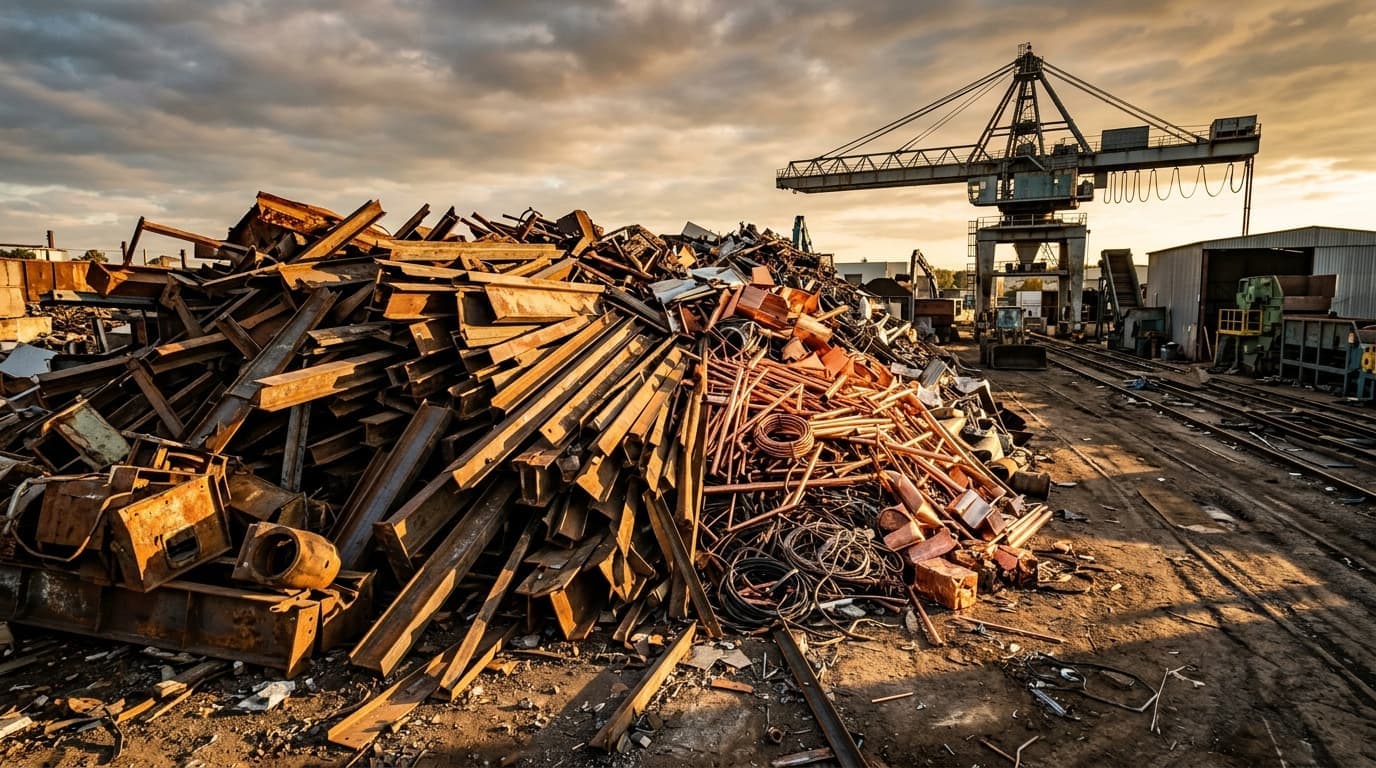
- Metals — dedicated dumpster or roll-off at loading dock or fabrication area
- Organics — lined bins in cafeteria and break rooms with daily or every-other-day pickup
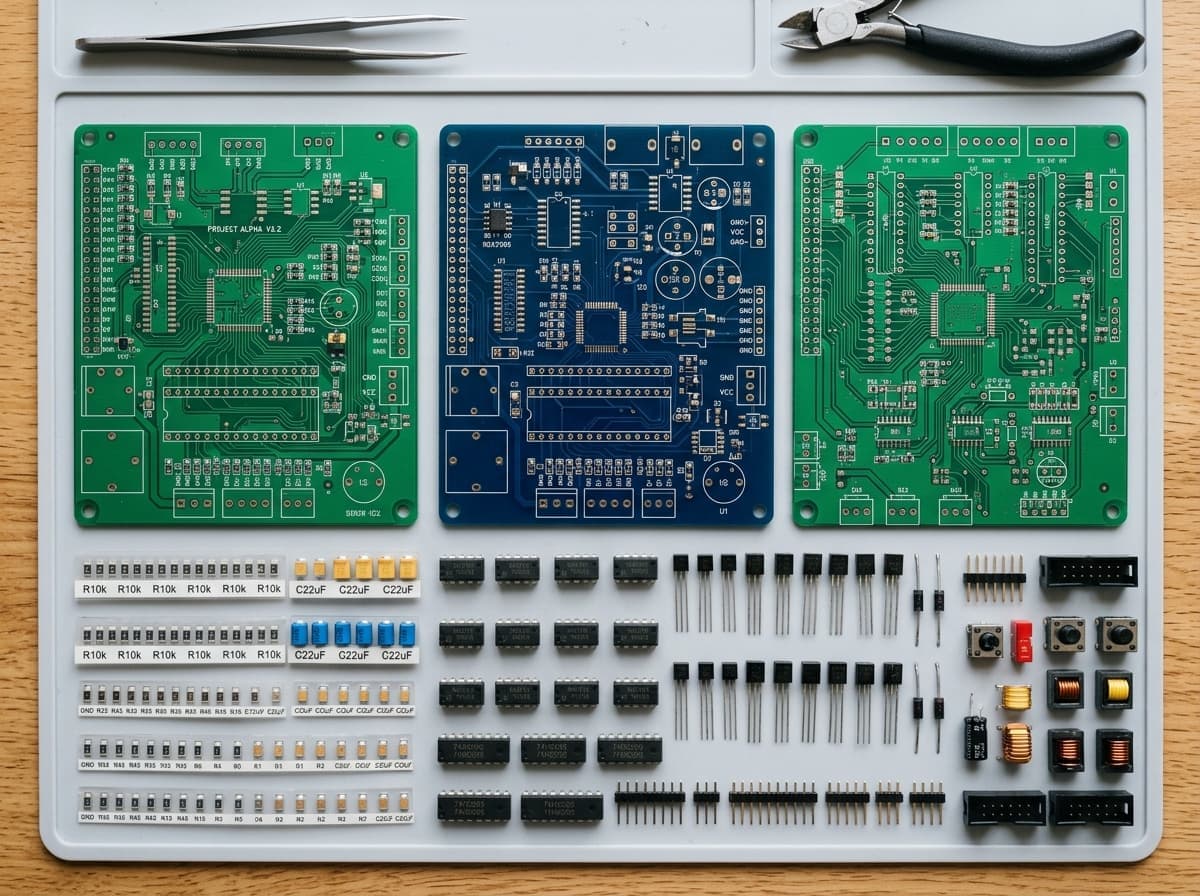
- E-waste — secure staging area with access controls and chain-of-custody tracking
#The Economics of Commercial Recycling
The business case for recycling is straightforward: you reduce landfill disposal costs (which run $45–$85/ton in the Atlanta metro area) and generate revenue from recovered materials. The net savings depend on your waste volume, material mix, and the quality of your sorting. For a typical mid-size office building, we see total waste management cost reductions of 15–30% within the first year of implementing a well-designed recycling program.
| Material | Landfill Cost Avoided | Recovery Revenue | Net Benefit per Ton |
|---|---|---|---|
| Cardboard (OCC) | $45–$85 | $80–$140 | $125–$225 |
| Mixed paper | $45–$85 | $20–$60 | $65–$145 |
| Aluminum cans | $45–$85 | $800–$1,200 | $845–$1,285 |
| Steel/iron | $45–$85 | $150–$300 | $195–$385 |
| Plastics (mixed) | $45–$85 | $100–$300 | $145–$385 |
#Training and Behavior Change
The hardest part of any recycling program isn't the logistics — it's the people. Contamination (putting the wrong material in the wrong bin) is the number one reason recycling programs produce poor results. A contamination rate above 15–20% significantly reduces the value of your recyclables and can result in entire loads being rejected by the processing facility.
Effective training doesn't mean long presentations or complicated manuals. It means clear, visual signage at every bin, a 15-minute kickoff explanation during an all-hands meeting, a one-page reference guide posted in common areas, and — most importantly — a floor champion who corrects mistakes in real time and answers questions.
#Measuring and Improving Over Time
A recycling program is a living system. Schedule reviews at 30, 90, and 180 days, then quarterly thereafter. Track three metrics: diversion rate (percentage of waste recycled), contamination rate (percentage of recyclables that are actually trash), and total waste management cost. If any metric is moving in the wrong direction, your recycling partner should be able to diagnose the cause and recommend a fix within one service cycle.
Building a recycling program that works — that actually diverts material, reduces costs, and generates meaningful data for your sustainability reporting — requires specificity, not aspiration. The regulations set the floor. The economics provide the incentive. The execution is what separates programs that thrive from programs that quietly fade out. A qualified recycling partner handles the execution so you can focus on running your business.