In 2009, Atlanta committed to an ambitious goal: zero waste by 2020. It didn't happen — and nobody seriously expected it to. But the goal wasn't the point. The point was to set a direction and start moving. Sixteen years later, the question worth asking isn't "did we get there?" but "how far have we come, and what's still blocking us?"
#The Numbers So Far
Atlanta's waste diversion rate — the percentage of total waste that gets recycled, composted, or otherwise kept out of landfills — has climbed from roughly 18% in 2015 to approximately 34% in 2024. That's real progress, driven primarily by the growth of commercial recycling programs. Businesses now account for 62% of all material diverted from Atlanta-area landfills, up from about 40% a decade ago.
The businesses that started recycling programs five years ago aren't just saving money anymore — they're generating revenue from materials they used to pay to throw away.
#Where the Gaps Are
The biggest remaining challenge is organic waste. Food scraps and yard debris make up roughly 30% of what goes to Atlanta landfills, and commercial composting infrastructure in the metro area is still limited. The city has piloted curbside composting in select residential neighborhoods, but a comparable commercial program doesn't yet exist at scale.
#What Businesses Can Do
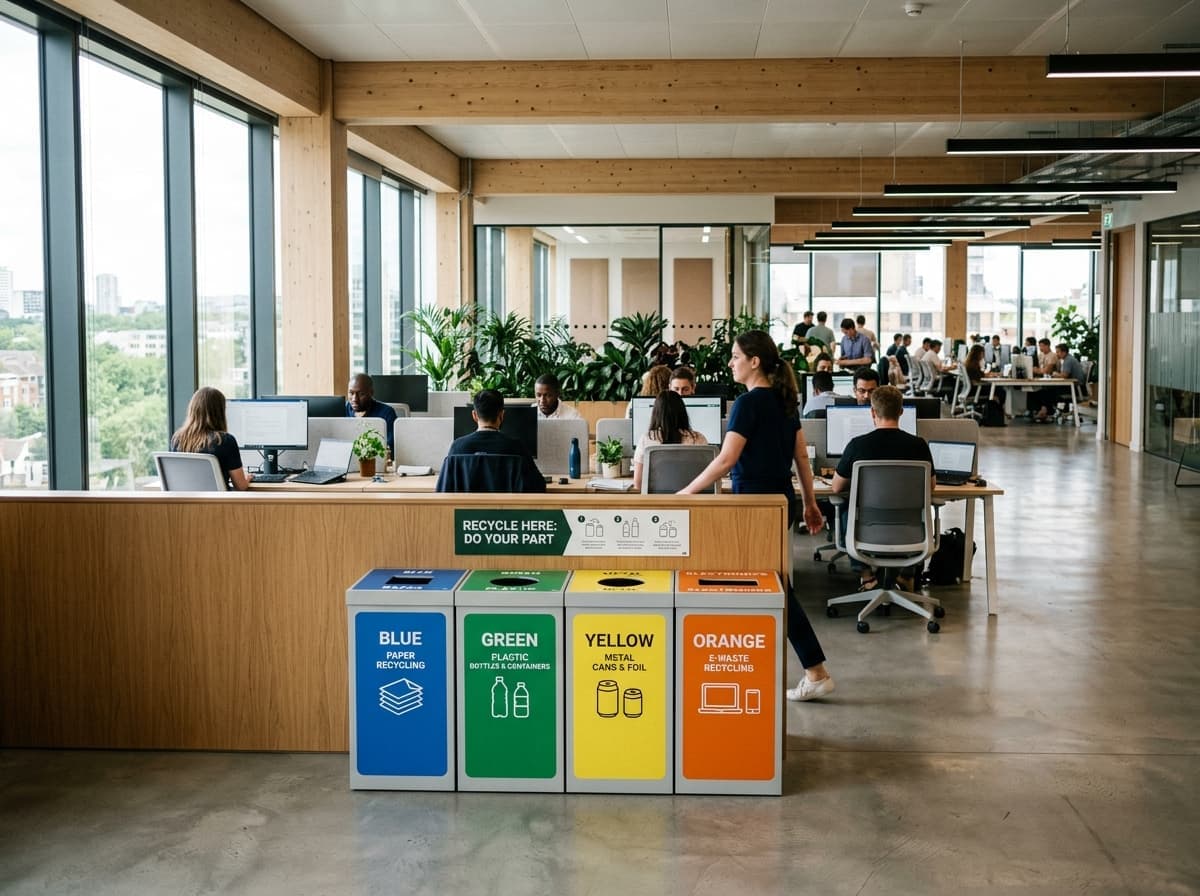
If your business has a recycling program, you're already part of the solution. If you don't, starting one is the single highest-impact step you can take. Beyond basic recycling, look for opportunities to reduce waste at the source: switch to reusable shipping materials, negotiate with suppliers for reduced packaging, and explore composting options for your break room and cafeteria waste.
Nationally, the U.S. still landfills the majority of its municipal waste, so the gap between where Atlanta is and where it wants to be is closed one business at a time. The practical starting point is a waste audit and a few well-placed streams — our guide to setting up a corporate recycling program walks through it step by step.
#Recycle More of Your Stream, in One Place
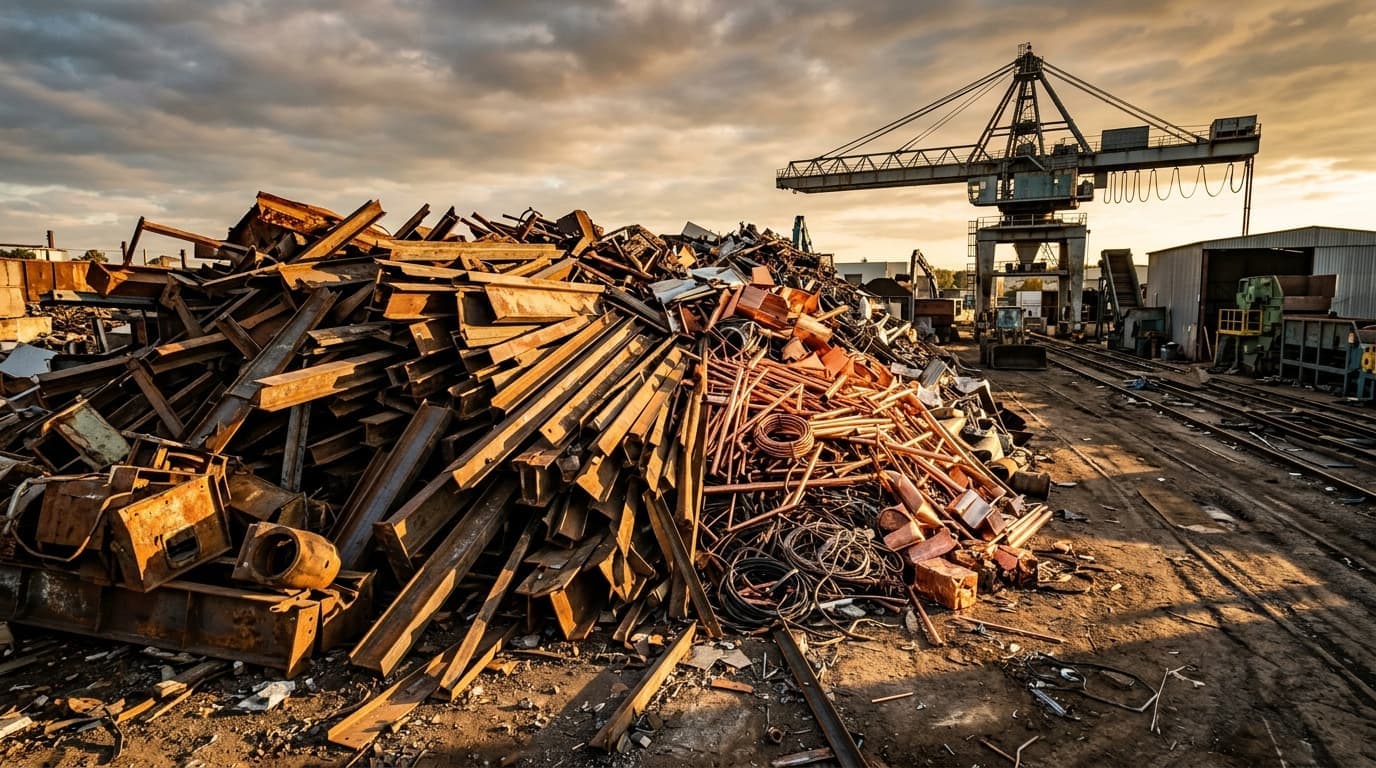
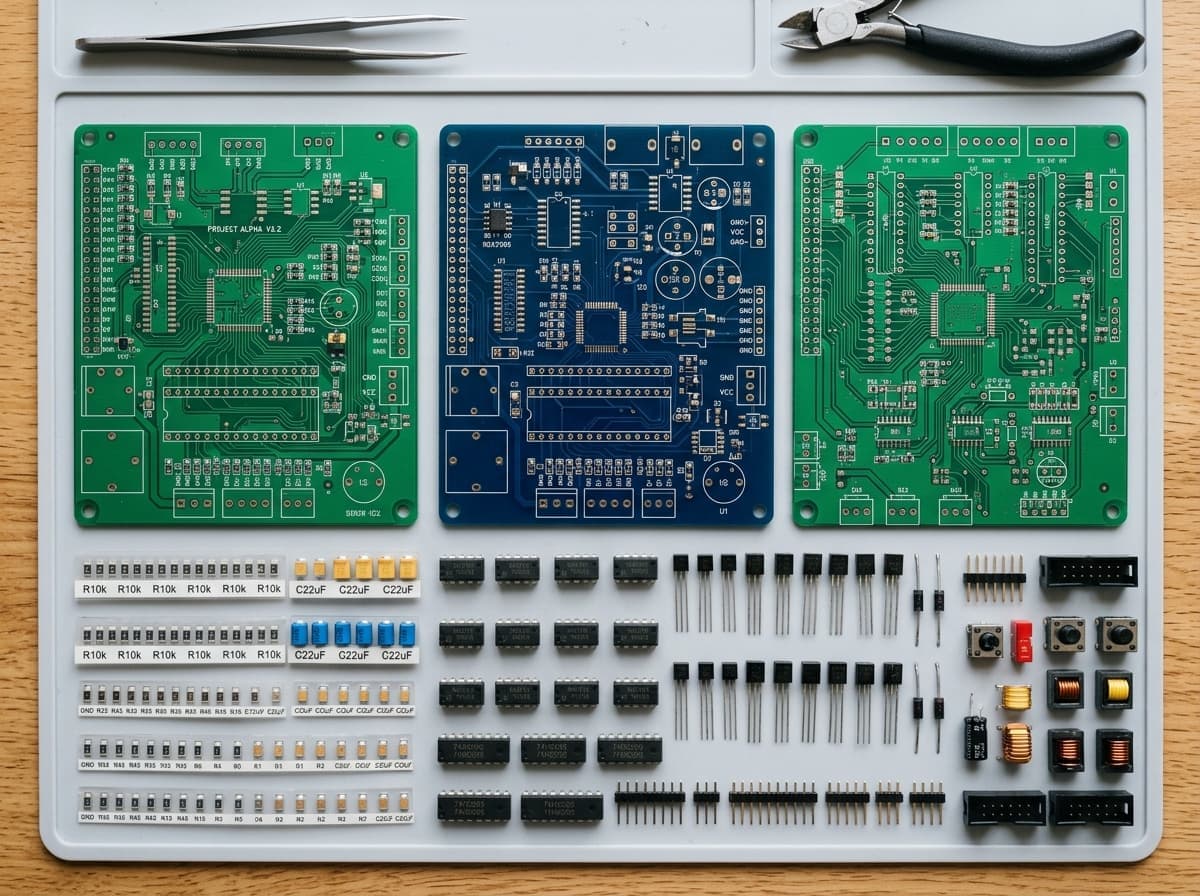
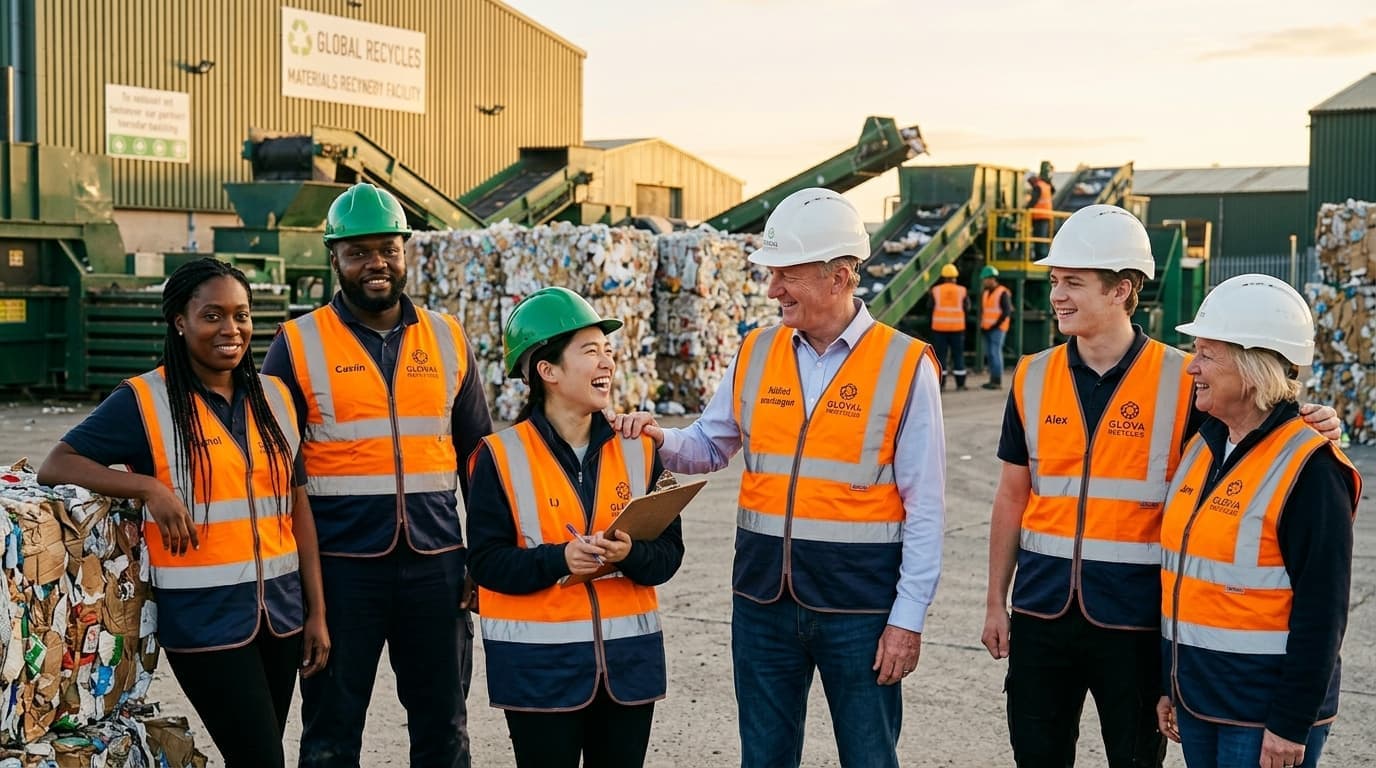
Most businesses leave easy diversion on the table simply because different materials go to different vendors. Consolidating cardboard, scrap metal, electronics, and confidential paper under one partner raises your diversion rate and simplifies your reporting. Explore our commercial recycling services or find your city on our service areas page to get started.